
The rupee ended weaker against the greenback on domestic worries.

There's surplus liquidity and RBI, with plentiful forex reserves, is ready to pump whatever extra is needed

Higher interest rates in the US do not necessarily coincide with capital outflows.

Encouraged by foreign exchange reserves touching record levels, the Reserve Bank on Tuesday doubled the annual overseas investment ceiling for individuals to $2,50,000.

Colombo seems to be veering to the middle path between China and the US on global matters, but in regional matters of strategic security, it is increasingly identifying with India, points out N Sathiya Moorthy.

Weakness in the greenback overseas against the backdrop of sluggish US macro data outcome helped the home currency move higher
.jpg)
The rupee resumed lower at 61.15 per dollar as against the last closing level of 60.77 per dollar yesterday at the Interbank Foreign Exchange (Forex) Market and dropped further to 61.44 per dollar before quoting at 61.40 per dollar at 1045 hours.

The RBI left key policy rates unchanged and cut the GDP growth estimate for this fiscal to 5.5 per cent from 5.7 per cent.

The RBI's warnings signal its concern that unhedged firms could be a vulnerable link should global markets buckle.

Delivering a public speech hours after the RBI launched a rescue act for Yes Bank on March 6, Governor Shaktikanta Das reiterated the RBI's affirmation to do whatever was needed to combat the coronavirus impact. On that day, India had only one confirmed COVID-19 infection, the World Health Organisation was five days off from declaring it as a pandemic and the financially debilitating lockdowns were not even on the horizon. Das' promise on efforts to mitigate COVID-19 impact appeared as a footnote in news reports from the event.
A firming trend in domestic stock markets, however, capped the rupee fall to some extent

RBI might not cut rate on June 2 but will surely cut soon.

Kotak Bank was the top loser in the Sensex pack, falling around 3 per cent, followed by Axis Bank, Sun Pharma, HDFC Bank, Bajaj Finance and Asian Paints. On the other hand, ONGC, PowerGrid and IndusInd Bank were the gainers.

The currency lost six paise on sustained dollar demand from importers.

Firm equity market failed to restrict the rupee's fall against the dollar

After a day's respite, the rupee on Wednesday fell by 29 paise, its biggest single day fall in a week, to end at 56.73 today due to heavy dollar demand from importers amid renewed concerns over withdrawal of US monetary stimulus.

Extending its losing streak for the fourth straight day, the rupee weakened by five paise to 61.01 against the US dollar in early trade today at the Interbank Foreign Exchange market on high demand for the American currency from importers.
The rupee gained 28 paise on Thursday to close at 62.50.

A smart rebound in the stock market and sustained capital inflows restricted the rupee loss

The rupee depreciated by 19 paise to trade at almost seven-month low of 61.94 against the US currency in early trade today at the Interbank Foreign Exchange on capital outflows amidst the dollar's gain against other currencies overseas.

Rupee hits 2-month low, down 21 paise against dollar.
Most Asian currency and equity markets too suffered steep losses due to US rate hike fears.

A lower opening at the domestic equity market and the dollar's rise against other major currencies overseas also put pressure on the rupee, dealers said.

According to analysts, IT firms like Infosys, TCS and HCL Technologies are likely to benefit the most on account of larger US exposures and dollar billing.

Rating agency Crisil said corporates, especially those in the auto, aviation, consumer durables and oil sectors, will be "severely impacted" by rupee depreciation due to large overseas debt and limited hedging.

The steep fall in rupee came on a day when the Reserve Bank of India in its first quarter review of monetary policy kept the all key rates unchanged but cut the gross domestic growth forecast to 5.5 per cent for FY'14 from 5.7 per cent earlier.

The rupee weakened by 27 paise to trade at six-week low of 60.45 against the US dollar in early trade today at the Interbank Foreign Exchange market on high demand for the American currency from importers.

The rupee had shed one paise to end at one-month low of 61.74 against the US dollar in Tuesday's trade.

Dealers attributed the rupee's fall to fresh demand for USD.

In dull trade, the rupee on Monday ended a mere two paise lower at 60.20 against the US dollar on weak local equities and imported-driven demand for the American currency.

The finance ministry and RBI must get less conservative and improve co-ordination.

The rupee had plunged by 48 paise, logging its biggest fall in more than five weeks, to close at over one-month low of 61.13 against the greenback on Monday following demand for the US currency from importers.

A weak rupee, though seemingly good for exporters, would push up input cost further for Indian companies.
The rupee had retreated from three-week high and ended six paise down at 60.67 against the dollar on demand from importers for the US currency in Thursday's trade.

Rupee ends day stronger against the dollar.

Concerns related to capital outflows in the aftermath of the first US interest rate hike in nearly a decade predominantly weighed on the rupee trade.

This is the biggest one-day fall in the rupee since August 3, 2016

Rupee ends day at 61.91 against the US dollar.

There are two major factors behind the rupee fall - one is international and the other is domestic.
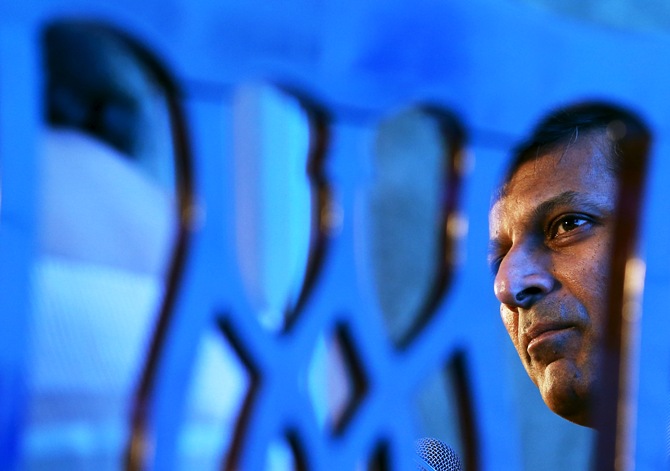
The RBI Governor brought down retail inflation to 3.8% in July.
